Hey there! As a firewalls supplier, I’ve been in the trenches of the cybersecurity world for quite a while. One of the most common questions I get is about the differences between host-based and network-based firewalls. So, let’s dive right in and break it down. Firewalls
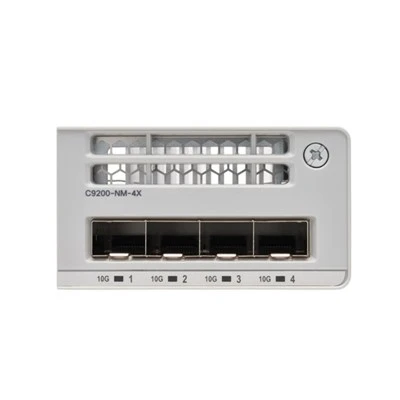
First off, let’s talk about host-based firewalls. These bad boys are installed on individual devices, like your laptop, desktop, or even a server. Their main job is to protect that specific device from incoming and outgoing threats. It’s like having a personal bodyguard for each of your devices.
Now, I’ve seen a lot of folks using host-based firewalls on their personal computers. It’s super easy to set up, and most operating systems come with a built-in host-based firewall. For example, Windows has its own Windows Defender Firewall, and macOS has its Firewall feature. You can configure these firewalls to allow or block specific applications from accessing the internet.
Let’s say you have a game that you downloaded from a sketchy website. You’re not entirely sure if it’s safe. With a host-based firewall, you can block that game from communicating with the internet. That way, even if it’s a malicious program, it won’t be able to send your data to the bad guys.
Another neat thing about host-based firewalls is that they can be customized based on the user’s needs. If you’re a business owner, you can set up a host-based firewall on your employees’ laptops to restrict access to certain websites or networks. This helps prevent data breaches and keeps your company’s sensitive information safe.
But host-based firewalls aren’t perfect. They only protect the device they’re installed on. If your network has multiple devices, you’ll need to install a firewall on each one. That can be a pain in the you-know-what, especially if you have a large number of devices.
On top of that, host-based firewalls can slow down your device’s performance. Since they’re constantly monitoring incoming and outgoing traffic, they use up some of your device’s resources. This can make your computer run a bit slower, especially if you have an older device.
Now, let’s switch gears and talk about network-based firewalls. These firewalls are installed at the network perimeter, like at the entrance of your office or data center. Their job is to protect the entire network from external threats. It’s like having a big, strong gatekeeper for your network.
Network-based firewalls are great for businesses because they can protect all the devices on the network with just one installation. You don’t have to worry about installing a firewall on each individual device. This saves you time and effort, especially if you have a large network.
One of the key features of network-based firewalls is that they can perform deep packet inspection. This means they can analyze the data packets that are coming in and out of your network. They can look for signs of malicious activity, like viruses or malware, and block them before they reach your devices.
For example, let’s say a hacker is trying to send a malicious file to one of your employees’ computers. The network-based firewall will analyze the data packet and detect that it’s a malicious file. It will then block the packet from entering your network, keeping your devices safe.
Another advantage of network-based firewalls is that they can be configured to enforce network policies. You can set up rules to control what kind of traffic is allowed on your network. For example, you can block access to social media sites during work hours or restrict access to certain IP addresses.
However, network-based firewalls also have their limitations. They can’t protect against threats that originate from within the network. If an employee’s device is infected with malware, the network-based firewall won’t be able to detect it. That’s why it’s important to have a combination of host-based and network-based firewalls for maximum protection.
In addition, network-based firewalls can be more complex to set up and manage compared to host-based firewalls. You need to have a good understanding of networking concepts and security policies to configure them properly. If you don’t set them up correctly, you could leave your network vulnerable to attacks.
So, which one should you choose? Well, it really depends on your needs. If you’re a home user with a single device, a host-based firewall might be sufficient. It’s easy to set up and can provide basic protection for your device.
But if you’re a business owner with multiple devices on a network, a network-based firewall is a must. It can protect your entire network from external threats and enforce network policies. And don’t forget to also install host-based firewalls on your employees’ devices for an extra layer of protection.
At the end of the day, having a strong firewall is crucial for protecting your devices and network from cyber threats. Whether you choose a host-based or network-based firewall, make sure you keep it up to date and configure it correctly.

If you’re interested in learning more about our firewalls or want to discuss your specific needs, don’t hesitate to reach out. We’re here to help you find the best solution for your cybersecurity needs.
Routers References:
- "Firewalls and Internet Security: Repelling the Wily Hacker" by Richard A. Deal
- "Network Security Essentials: Applications and Standards" by Douglas Comer
AITI Tech Limited
AITI Tech Limited is one of the most professional firewalls manufacturers and suppliers in China for over 20 years, featured by quality products and low price. Welcome to buy bulk discount firewalls in stock here from our factory. If you have any enquiry about pricelist, please feel free to email us.
Address: 6F, Haogong Building, Yannan Road, Futian District, Shenzhen, China
E-mail: kelly@hkaiti.com
WebSite: https://www.hkaiti.com/
