In the dynamic landscape of modern manufacturing, nut making machines play a pivotal role in producing high – quality nuts efficiently. As a seasoned supplier of nut making machines, I’ve witnessed firsthand the evolution of these machines, especially in the aspect of automatic detection systems. In this blog, I’ll delve into how the automatic detection system works in a nut making machine and why it’s crucial for nut production. Nut Making Machine
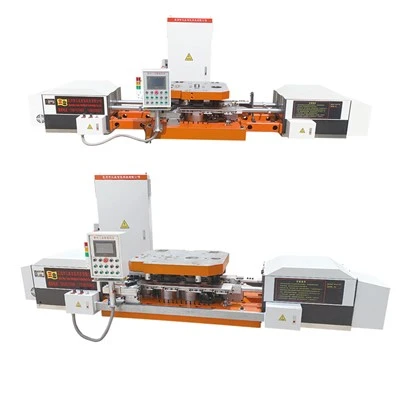
The Basics of Nut Making Machines
Before we dive into the automatic detection system, let’s briefly understand the basic process of nut making. A nut – making machine typically consists of several key components: a feeding system, a forming part, a thread – rolling section, and a finishing area. The raw material, usually metal wire, is fed into the machine. In the forming part, the wire is cut to the appropriate length and shaped into the basic nut form. Then, the thread – rolling process creates the internal or external threads of the nut. Finally, in the finishing area, the nuts may go through processes such as polishing or coating.
The Role of Automatic Detection Systems
An automatic detection system in a nut – making machine is like a vigilant quality control inspector. Its main function is to ensure that every nut produced meets the specified quality standards. This system continuously monitors various parameters during the manufacturing process, detects any defects or deviations, and takes appropriate actions, such as removing defective products from the production line or adjusting the machine settings.
Components of the Automatic Detection System
Sensors
Sensors are the eyes and ears of the automatic detection system. There are different types of sensors used in nut – making machines:
- Optical Sensors: These sensors use light to detect the shape, size, and surface defects of the nuts. For example, an optical sensor can be configured to detect cracks, pits, or uneven surfaces on the nut. When a nut passes through the detection area, the optical sensor emits light and measures the reflected light. Any irregularities on the nut surface will cause a change in the reflected light pattern, which the sensor can detect and send a signal to the control system.
- Proximity Sensors: Proximity sensors are used to detect the presence or absence of nuts at certain positions in the machine. They can also measure the distance between objects. In a nut – making machine, proximity sensors are often used to ensure that the nuts are properly positioned during the forming and thread – rolling processes. If a nut is not in the correct position, the proximity sensor will send a signal to stop the machine or adjust the feeding mechanism.
- Load Cells: Load cells are used to measure the force or pressure applied during the manufacturing process. In the nut – making machine, load cells can be installed in the forming dies or the thread – rolling mechanism. By measuring the force, the system can detect if there are any issues such as over – or under – forming of the nuts. If the force exceeds or falls below the preset limits, the load cell will send a signal to the control system, and appropriate actions can be taken.
Control System
The control system is the brain of the automatic detection system. It receives signals from the sensors, analyzes the data, and makes decisions based on pre – programmed algorithms. The control system can be a programmable logic controller (PLC) or a more advanced computer – based system.
When the control system receives a signal indicating a defect or deviation from the standards, it can perform several actions. For example, it can activate a rejection mechanism to remove the defective nut from the production line. It can also adjust the machine settings, such as the feed rate, pressure, or speed, to correct any process issues.
Rejection Mechanisms
Rejection mechanisms are responsible for removing defective nuts from the production line. There are different types of rejection mechanisms, depending on the design of the nut – making machine.
- Pneumatic Rejection: This is a common type of rejection mechanism. When the control system detects a defective nut, it sends a signal to a pneumatic valve. The valve then releases a burst of compressed air, which blows the defective nut off the production line and into a collection bin.
- Mechanical Rejection: In some machines, a mechanical arm or a gate can be used to remove the defective nuts. When a defect is detected, the control system activates the mechanical device, which physically moves the defective nut out of the production path.
How the Automatic Detection System Works in Practice
Let’s walk through the operation of the automatic detection system in a nut – making machine step by step.
- Initial Setup: Before starting the production, the operators need to set up the automatic detection system. This includes calibrating the sensors, setting the quality standards (such as the acceptable size range, surface finish, and thread accuracy), and programming the control system with the appropriate algorithms.
- Production Start: Once the machine is started, the raw material is fed into the machine, and the nut – making process begins. As the nuts are formed and processed, they pass through the detection areas of the sensors.
- Real – Time Monitoring: The sensors continuously monitor the nuts in real – time. For example, the optical sensors scan the surface of each nut, the proximity sensors check the position of the nuts, and the load cells measure the forces during the forming and thread – rolling processes.
- Data Analysis: The sensors send the data to the control system, which analyzes it against the pre – set quality standards. If the data indicates that a nut meets the standards, the nut continues along the production line.
- Defect Detection and Response: If the control system detects a defect, such as a mis – shaped nut or a nut with a damaged thread, it immediately takes action. It may activate the rejection mechanism to remove the defective nut from the production line. At the same time, the control system may also generate an alert, either visually on a display or audibly through a buzzer, to notify the operators of the issue.
- Process Adjustment: In some cases, if the control system detects a consistent pattern of defects, it can adjust the machine settings to correct the problem. For example, if the load cells indicate that the forming force is too high, the control system can reduce the pressure applied by the forming dies.
Benefits of Automatic Detection Systems in Nut Making Machines
The incorporation of automatic detection systems in nut – making machines brings numerous benefits:
- Improved Quality: By continuously monitoring and detecting defects, the automatic detection system ensures that only high – quality nuts are produced. This helps to reduce the number of defective products in the final output, improving customer satisfaction and the reputation of the manufacturer.
- Increased Efficiency: The system can quickly identify and remove defective nuts, preventing them from causing further problems in the production process. This reduces downtime due to machine jams or product rework, increasing the overall production efficiency.
- Cost Savings: Fewer defective products mean less waste of raw materials. Additionally, the reduced downtime and lower rework costs contribute to significant cost savings in the long run.
- Compliance: In industries where strict quality standards and regulations need to be met, the automatic detection system helps manufacturers ensure compliance with these requirements.
Conclusion
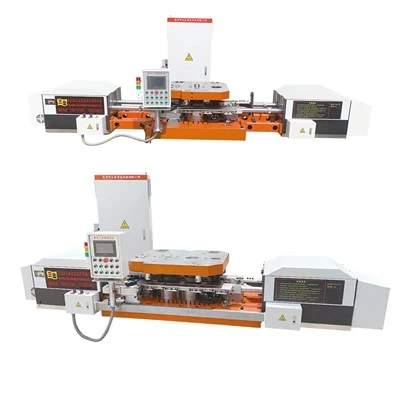
The automatic detection system in a nut – making machine is a crucial component that plays a vital role in ensuring the quality, efficiency, and cost – effectiveness of nut production. As a supplier of nut – making machines, we are committed to providing advanced and reliable automatic detection systems that can meet the diverse needs of our customers.
Bearing Ring Former If you are looking to improve your nut production process or are in the market for a new nut – making machine with a high – performance automatic detection system, we would love to have a discussion with you. Our team of experts can provide you with detailed information, customized solutions, and support to help you make the best decision for your business. Please initiate a conversation with us to explore the possibilities of enhancing your nut manufacturing capabilities.
References
- Thompson, M. (2018). "Advanced Manufacturing Technologies in Nut Production." Industrial Manufacturing Journal, 22(4), 67 – 75.
- Smith, A. (2019). "Quality Control in Fastener Manufacturing: The Role of Automatic Detection Systems." Engineering and Production Review, 35(2), 45 – 53.
Quanzhou Sanye Intelligent Technology Co., Ltd.
As one of the most professional nut making machine manufacturers and suppliers in China, we have world-leading production equipment and strong manufacturing capabilities. Please rest assured to buy customized nut making machine made in China here from our factory. Welcome to contact us for quotation.
Address: Anhai Town, Jinjiang City, Fujian Province, China
E-mail: jack_tmm@163.com
WebSite: https://www.qzsymanipulator.com/
