Alright, folks! As a supplier of Plug Valve API 599, I’ve been getting a lot of questions lately about how to improve the wear resistance of these valves. So, I thought I’d sit down and share some of my insights on this topic. Plug Valve API 599
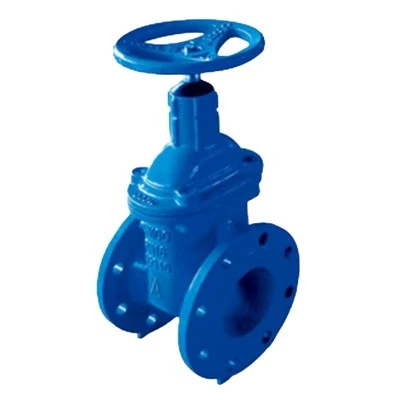
First off, let’s talk about why wear resistance is such a big deal. In industrial applications, plug valves are often used in harsh environments where they’re exposed to high pressures, high temperatures, abrasive materials, and corrosive fluids. Over time, all of these factors can cause the valve components to wear down, leading to leaks, reduced performance, and even complete failure. That’s why it’s crucial to take steps to improve the wear resistance of your plug valves to ensure they last as long as possible and keep your operations running smoothly.
One of the most effective ways to improve wear resistance is to choose the right materials for your plug valve. When selecting materials, you need to consider the specific operating conditions of your application. For example, if you’re dealing with abrasive materials, you’ll want to choose a material that’s hard and resistant to scratching. Some common materials used for plug valves in abrasive applications include tungsten carbide, ceramic, and hardened stainless steel.
Tungsten carbide is an extremely hard material that offers excellent wear resistance. It can withstand high levels of abrasion and erosion, making it a great choice for applications where the valve is exposed to solid particles or slurries. Ceramic is another option that’s known for its hardness and wear resistance. It’s also resistant to corrosion, which makes it suitable for use in corrosive environments. However, ceramic can be brittle, so it needs to be handled carefully to avoid cracking or breaking.
Hardened stainless steel is a more cost – effective option that still provides good wear resistance. It’s relatively easy to machine and can be heat – treated to increase its hardness. Stainless steel also has good corrosion resistance, which makes it a popular choice for a wide range of applications.
In addition to choosing the right materials, surface treatments can also play a big role in improving wear resistance. One common surface treatment is nitriding. Nitriding involves introducing nitrogen into the surface of the metal to form a hard nitride layer. This layer can significantly increase the hardness and wear resistance of the valve components. It also improves the corrosion resistance of the metal, which is a bonus in many applications.
Another surface treatment option is coating. There are several types of coatings available, each with its own set of properties. For example, a PTFE (polytetrafluoroethylene) coating can provide a low – friction surface, which reduces wear and tear on the valve components. It also has good chemical resistance, making it suitable for use in corrosive environments. Other coatings, such as chrome plating, can increase the hardness and wear resistance of the surface, as well as improve its appearance.
Proper lubrication is also essential for improving the wear resistance of plug valves. Lubrication helps to reduce friction between the moving parts of the valve, which in turn reduces wear. When choosing a lubricant, you need to consider the operating temperature, pressure, and the type of fluid the valve will be handling. For high – temperature applications, you’ll need a lubricant that can withstand the heat without breaking down. For applications where the valve is exposed to corrosive fluids, you’ll need a lubricant that’s resistant to corrosion.
Regular maintenance is another key factor in improving wear resistance. By performing regular inspections and maintenance on your plug valves, you can catch any signs of wear early and take corrective action before it becomes a major problem. This might involve replacing worn – out seals, lubricating the valve components, or adjusting the valve settings.
During maintenance, it’s also important to clean the valve thoroughly. Dirt, debris, and other contaminants can accumulate inside the valve over time, which can increase wear and cause the valve to malfunction. By cleaning the valve regularly, you can remove these contaminants and ensure that the valve operates smoothly.
Now, let’s talk about design considerations. The design of the plug valve can have a significant impact on its wear resistance. For example, a well – designed valve will have proper clearances between the plug and the body. If the clearances are too small, the valve may bind, which can cause excessive wear. On the other hand, if the clearances are too large, the valve may leak, which can also lead to wear and damage.
The shape of the plug and the body can also affect wear resistance. A plug with a smooth, streamlined shape will experience less turbulence and wear compared to a plug with a rough or irregular shape. Similarly, the body of the valve should be designed to minimize the flow of abrasive materials over the valve components.
In some cases, you may also want to consider using a double – block – and – bleed (DBB) plug valve. A DBB valve provides an extra level of isolation, which can help to protect the valve components from wear and tear. It has two seating surfaces that can be used to isolate the flow, which reduces the exposure of the valve components to the process fluid.
Alright, so we’ve covered a lot of ground on how to improve the wear resistance of Plug Valve API 599. From choosing the right materials and surface treatments to proper lubrication, maintenance, and design considerations, there are many steps you can take to ensure your plug valves last longer and perform better.

If you’re in the market for high – quality Plug Valve API 599 or need more advice on improving wear resistance, don’t hesitate to reach out. We’re here to help you find the best solutions for your specific application. Whether you’re dealing with a small – scale project or a large – scale industrial operation, we’ve got the expertise and the products to meet your needs. Contact us today to start a discussion about your requirements and let’s work together to get the most out of your plug valves.
Gate Valve By Stem Type References
- ASME B16.34 – Valves – Flanged, Threaded, and Welding End
- ASTM standards related to valve materials such as ASTM A182 for stainless steel forgings
- API 6D – Specification for Pipeline Valves
Yantai Valtone Valve Co., Ltd.
As one of the most professional plug valve api 599 manufacturers and suppliers in China, we have world-leading production equipment and strong manufacturing capabilities. Please rest assured to buy bulk durable plug valve api 599 for sale here from our factory. We also accept customized orders.
Address: No. 13, Wuhan street, Bajiao industry park, Yantai ETDZ, Shandong, China.
E-mail: liujun@valtone-valve.com
WebSite: https://www.valtonevalve.com/
