Calibrating a jewelry micromotor is a crucial process that ensures the precision and efficiency of your jewelry-making tools. As a provider of high – quality jewelry micromotors, I am well – versed in the ins and outs of this calibration process. In this blog, I’ll guide you through the steps on how to calibrate a jewelry micromotor properly. Jewelry Micromotor

Understanding the Importance of Calibration
Before delving into the calibration process, it’s essential to understand why calibration is so important. In jewelry making, precision is of the essence. A poorly calibrated micromotor can lead to inaccurate cuts, uneven polishing, and other sub – standard results. By calibrating your micromotor regularly, you can maintain the quality of your work and extend the lifespan of your tool.
Pre – calibration Checks
- Inspect the Motor: First and foremost, perform a visual inspection of the micromotor. Look for any signs of physical damage, such as cracks in the housing or frayed wires. If you notice any damage, it’s important to address it before attempting to calibrate the motor.
- Clean the Motor: Dust and debris can accumulate in the motor over time, which can affect its performance. Use a soft brush to carefully clean the exterior of the motor, and if necessary, a compressed air duster to blow out any dust from the ventilation openings.
- Check the Power Supply: Ensure that the power supply to the micromotor is stable and within the recommended voltage range. Fluctuations in power can cause the motor to run erratically, making calibration difficult.
Step – by – Step Calibration Process
Speed Calibration
- Understand the Speed Requirements: Different jewelry – making tasks require different speeds. For example, delicate engraving work may require a lower speed, while rough shaping might need a higher speed. Refer to the user manual of your micromotor to determine the appropriate speed settings for your specific tasks.
- Use a Tachometer: A tachometer is a device that measures the rotational speed of the motor. Connect the tachometer to the motor following the manufacturer’s instructions. Start the motor at the lowest speed setting and note the reading on the tachometer. Compare this reading with the speed specified in the manual.
- Adjust the Speed Control: If the speed measurement is inaccurate, adjust the speed control knob on the micromotor. Make small adjustments and re – measure the speed with the tachometer until you achieve the desired speed setting. Repeat this process for different speed settings to ensure consistent performance across the entire speed range.
Torque Calibration
- Understand Torque: Torque refers to the rotational force of the motor. In jewelry making, the right amount of torque is necessary to perform tasks effectively. Low torque may result in the motor stalling during tough operations, while excessive torque can cause damage to the jewelry piece.
- Test the Torque: Use a torque tester to measure the torque output of the micromotor. Attach the torque tester to the motor shaft according to the manufacturer’s guidelines. Start the motor and gradually increase the load on the tester. Note the torque value at which the motor begins to struggle or stall.
- Adjust the Torque: Some micromotors come with adjustable torque settings. If your motor has this feature, use the torque adjustment mechanism to increase or decrease the torque output. Make small adjustments and re – test the torque using the torque tester until you achieve the optimal torque for your jewelry – making tasks.
Vibration Calibration
- Importance of Low Vibration: Excessive vibration can not only make your work uncomfortable but also lead to imprecise results. A well – calibrated micromotor should operate with minimal vibration.
- Check for Vibration: Start the motor and hold it firmly. Feel for any unusual vibrations. You can also place the motor on a flat surface and observe if it shakes significantly.
- Balance the Motor: If you detect excessive vibration, the motor may be out of balance. Check the motor shaft and the attachments for any signs of misalignment. Adjust or replace any parts that may be causing the imbalance. Some micromotors come with built – in balancing mechanisms; use these to fine – tune the balance of the motor.
Troubleshooting During Calibration
- Inconsistent Speed: If you are having trouble achieving a consistent speed, check the power supply again. A dirty or worn – out speed control potentiometer may also be the culprit. In this case, consult the user manual or contact the manufacturer for guidance on how to clean or replace the potentiometer.
- Poor Torque Performance: If the motor has low torque or the torque is inconsistent, check if there is any resistance in the motor shaft or gears. Lubricating the moving parts according to the manufacturer’s instructions may help improve the torque performance. If the problem persists, there may be an issue with the motor’s internal components, and it’s advisable to seek professional assistance.
- Excessive Vibration: Continuing vibration issues after checking for balance may indicate a more serious problem, such as a damaged bearing. In such situations, it’s best to send the motor to a qualified repair technician for further inspection and repair.
Regular Maintenance and Re – calibration
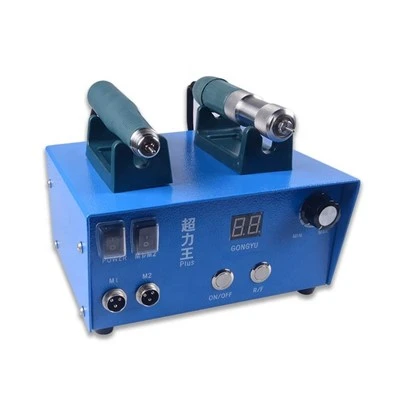
Calibration is not a one – time process. To ensure the long – term performance of your jewelry micromotor, it is essential to perform regular maintenance and re – calibration.
- Scheduled Checks: Set up a regular schedule for checking and calibrating your micromotor. Depending on how frequently you use the motor, this could be monthly, quarterly, or semi – annually.
- Maintenance Routine: As part of your maintenance routine, clean the motor, lubricate the moving parts, and check for any signs of wear or damage. This will help prevent major issues and make the calibration process smoother.
Final Thoughts
Nail Drill Machine Calibrating a jewelry micromotor is a skill that every jewelry maker should master. It not only ensures the quality of your work but also extends the life of your valuable tool. If you have any questions or need further assistance with calibrating your jewelry micromotor or are interested in our high – quality micromotors, feel free to reach out. We are here to provide you with the best products and support to help you achieve outstanding results in your jewelry – making endeavors. Let’s work together to take your jewelry – making to the next level!
References
- "Jewelry Making Equipment Handbook" – An in – depth guidebook on various jewelry – making tools and their maintenance.
- Manufacturer’s User Manuals for Jewelry Micromotors – These manuals provide detailed information on the specific calibration and operation procedures for each micromotor model.
Yongkang Zorin Industry Technology Co., Ltd.
Yongkang Zorin Industry Technology Co., Ltd. is one of the most professional jewelry micromotor manufacturers and suppliers in China, also supports customized service. Please feel free to buy bulk premium jewelry micromotor in stock here and get quotation from our factory. For price consultation, contact us.
Address: No. 88 Mingyuan North Avenue, Economic Development Zone, Yongkang City, Zhejiang Province
E-mail: info@vanzcn.com
WebSite: https://www.zorindrill.com/
