In the dynamic landscape of energy management, inverters have emerged as a cornerstone technology, revolutionizing the way we harness and utilize electrical power. As a seasoned inverter supplier, I’ve witnessed firsthand the transformative impact these devices have on various sectors, from residential homes to large – scale industrial complexes. In this blog post, I’ll delve into the numerous advantages of using inverters, shedding light on why they are an indispensable component in modern energy systems. Inverters
Energy Conversion Efficiency
One of the most significant advantages of inverters is their ability to convert direct current (DC) into alternating current (AC) with remarkable efficiency. In many renewable energy systems, such as solar panels and wind turbines, the electricity generated is in DC form. However, most household appliances and industrial equipment operate on AC power. Inverters bridge this gap seamlessly, ensuring that the energy produced can be used efficiently.
Modern inverters are designed with advanced semiconductor technology, which minimizes energy losses during the conversion process. High – efficiency inverters can achieve conversion rates of up to 98%, meaning that almost all of the DC power is transformed into usable AC power. This not only maximizes the utilization of the generated energy but also reduces waste, making renewable energy systems more economically viable.
For example, in a solar power system, a high – efficiency inverter can significantly increase the amount of electricity that is fed into the grid or used to power a home. This translates into more savings on electricity bills and a faster return on investment for the solar panel installation.
Power Quality Improvement
Inverters play a crucial role in improving the quality of electrical power. They can regulate the voltage and frequency of the output AC power, ensuring that it meets the strict standards required by sensitive electronic equipment. Fluctuations in voltage and frequency can cause damage to appliances, reduce their lifespan, and lead to malfunctions.
With an inverter, the output power is stable and clean, free from harmonics and other electrical disturbances. This is particularly important in data centers, hospitals, and other facilities where a reliable and high – quality power supply is essential. For instance, in a data center, even a brief power interruption or voltage spike can result in data loss and system downtime, which can be extremely costly. Inverters provide a stable power source that protects the equipment and ensures continuous operation.
Flexibility and Adaptability
Inverters offer a high degree of flexibility and adaptability in energy systems. They can be used in a wide range of applications, from small off – grid systems to large – scale grid – connected power plants. In off – grid systems, such as remote cabins or boats, inverters allow users to power their appliances using DC batteries. They can convert the battery’s DC power into AC power, enabling the use of standard household appliances.
In grid – connected systems, inverters can be configured to work in parallel with the utility grid. They can feed excess electricity generated by renewable energy sources back into the grid, earning credits for the system owner. Additionally, inverters can be programmed to operate in different modes, such as maximum power point tracking (MPPT) mode, which optimizes the power output of solar panels by adjusting the operating voltage to the maximum power point under varying environmental conditions.
Energy Storage Integration
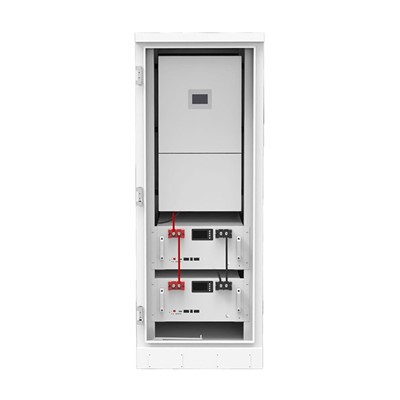
The integration of energy storage systems with inverters is another key advantage. Energy storage, such as batteries, allows for the storage of excess energy generated during periods of low demand and its release during peak demand. Inverters are essential in this process as they can manage the charge and discharge of the batteries, as well as convert the stored DC energy into AC power when needed.
This is particularly beneficial in areas with unreliable grid power or high electricity tariffs. For example, in regions with frequent power outages, a battery – inverter system can provide backup power, ensuring that essential appliances continue to operate. In addition, by storing energy during off – peak hours when electricity is cheaper and using it during peak hours, users can reduce their electricity costs significantly.
Environmental Benefits
Using inverters in renewable energy systems has significant environmental benefits. By enabling the efficient use of renewable energy sources such as solar and wind, inverters help to reduce our reliance on fossil fuels. Fossil fuel – based power generation is a major contributor to greenhouse gas emissions, air pollution, and climate change.
Renewable energy systems with inverters produce clean, green energy that has a much lower carbon footprint. For example, a solar power system with an inverter can offset the use of coal – fired electricity, reducing the emission of carbon dioxide and other pollutants. This not only helps to protect the environment but also contributes to a more sustainable future.
Cost – Effectiveness
In the long run, inverters are a cost – effective solution for energy management. Although the initial investment in an inverter may seem significant, the savings in electricity bills and the potential revenue from selling excess electricity back to the grid can offset the cost over time.
In addition, the cost of inverters has been decreasing steadily in recent years due to technological advancements and economies of scale. As more and more people adopt renewable energy systems, the demand for inverters has increased, leading to lower production costs and more competitive pricing in the market.
Remote Monitoring and Control
Many modern inverters come equipped with remote monitoring and control capabilities. This allows users to monitor the performance of their energy systems in real – time, from anywhere in the world using a smartphone or a computer. They can track the energy production, consumption, and battery status, as well as receive alerts in case of any issues or malfunctions.
Remote monitoring and control also enable system operators to optimize the performance of the inverters. They can make adjustments to the operating parameters, such as the power output and the charging rate, based on the real – time data. This not only improves the efficiency of the energy system but also reduces the need for on – site maintenance and troubleshooting.
Scalability
Inverters are highly scalable, making them suitable for both small – scale and large – scale energy projects. For small residential systems, a single inverter may be sufficient to meet the power requirements. However, as the energy demand grows, additional inverters can be easily added to the system to increase the power capacity.
In large – scale industrial and utility – scale projects, multiple inverters can be connected in parallel to form a high – power system. This scalability allows for the gradual expansion of energy systems, making it easier for users to adapt to changing energy needs over time.
Conclusion
In conclusion, the advantages of using inverters are numerous and far – reaching. From energy conversion efficiency and power quality improvement to environmental benefits and cost – effectiveness, inverters are an essential component in modern energy systems. As a supplier of inverters, I’m proud to offer high – quality products that can help our customers harness the full potential of renewable energy and improve their energy management.
Energy Storage System If you’re interested in purchasing inverters for your residential, commercial, or industrial project, I encourage you to reach out to us for a detailed consultation. We have a team of experts who can help you select the right inverter for your specific needs and provide you with professional installation and after – sales support. Let’s work together to build a more sustainable and energy – efficient future.
References
- "Power Electronics: Converters, Applications, and Design" by Mohan N., Undeland T. M., and Robbins W. P.
- "Renewable Energy Systems: Design and Analysis with Induction Generators" by Muljadi E.
- Industry reports from leading energy research firms on inverter technology and market trends.
Shandong Yaoqian Energy Storage International Trade Co., Ltd.
We’re well-known as one of the leading inverters manufacturers and suppliers in China, featured by quality products and good price. Please rest assured to buy customized inverters made in China here from our factory.
Address: Lithium Battery Industrial Park, Xingcheng Street, Zaozhuang High-tech Zone, Shandong Province, China
E-mail: boss@yaoqiansmart.com
WebSite: https://www.yaoqiansmart.com/
