As a supplier of Extruded Polystyrene (XPS), I’ve witnessed firsthand its wide – reaching applications and numerous benefits. However, it’s only fair and professional to also discuss the disadvantages of this material. In this blog, I’ll delve into some of the less – touted aspects of XPS, which can help our potential customers make more informed decisions about their purchasing. Extruded Polystyrene

1. Environmental Impact
One of the most significant drawbacks of XPS is its environmental footprint. At the core of the issue is its production process. The manufacturing of XPS involves the use of hydrofluorocarbons (HFCs). These chemicals, although less harmful than the previously used chlorofluorocarbons (CFCs) in terms of ozone depletion, are potent greenhouse gases. HFCs have a high global warming potential (GWP). This means that they contribute significantly to the overall warming of the planet, trapping heat in the atmosphere far more effectively than carbon dioxide over a given period.
Another environmental concern is the non – biodegradability of XPS. Once it has served its purpose, XPS waste does not break down naturally in the environment. It can remain in landfills for hundreds of years, taking up valuable space and contributing to the growing problem of solid waste management. This persistence can also lead to the leaching of chemicals into the soil and groundwater over time, posing potential risks to local ecosystems.
Recycling XPS is also a complex and challenging process. Unlike some other materials that can be easily melted down and reused, XPS requires specialized equipment and facilities. The recycling rate of XPS is relatively low globally, mainly due to the high costs associated with collection, transportation, and the recycling process itself. This lack of efficient recycling options further exacerbates the environmental problem.
2. Fire Hazard
XPS is inherently flammable. It has a relatively low melting point and can burn rapidly when exposed to an ignition source. When XPS burns, it can release toxic gases such as carbon monoxide and styrene. Carbon monoxide is a well – known silent killer, as it is odorless and colorless, and can cause headaches, dizziness, nausea, and even death in high concentrations. Styrene, on the other hand, is a suspected carcinogen and can also cause respiratory problems and irritation to the eyes and skin.
To mitigate these fire risks, XPS is often treated with flame – retardant additives. However, these additives can also have their own set of problems. Some flame – retardants contain chemicals that are persistent, bioaccumulative, and toxic (PBT). These chemicals can enter the environment and accumulate in the bodies of living organisms over time, potentially causing adverse health effects.
In addition, the effectiveness of flame – retardant treatments can degrade over time. Exposure to sunlight, heat, and moisture can cause the flame – retardant properties of XPS to diminish. This means that the initially fire – resistant XPS may become more susceptible to ignition and rapid burning as it ages.
3. Health Risks
During the installation and handling of XPS, there are potential health risks for workers. Cutting, sanding, or drilling XPS can generate fine dust particles. Inhalation of these particles can cause respiratory irritation, coughing, and shortness of breath. Prolonged exposure to XPS dust may also increase the risk of developing more serious respiratory conditions such as asthma and chronic obstructive pulmonary disease (COPD).
As mentioned earlier, the toxic gases released when XPS burns can pose a significant threat to human health. In a fire situation, the inhalation of these gases can lead to immediate health effects and long – term health problems. In addition, if XPS is used in building insulation and there are any issues with the integrity of the material, such as damage or degradation, there is a potential for the release of chemicals into the indoor environment. This can affect the indoor air quality and cause health problems for the occupants of the building.
4. Cost
Although the initial cost of XPS may seem reasonable compared to some other insulation materials, the long – term cost can be a disadvantage. As mentioned, the environmental and health concerns associated with XPS may lead to additional costs. For example, if a building owner wants to ensure the safe and proper disposal of XPS waste, they may need to pay for specialized waste management services.
In addition, the need for regular maintenance and replacement of XPS due to its potential degradation over time can also add to the overall cost. The flame – retardant treatments may need to be reapplied or updated periodically to maintain the fire – safety properties of the material. This requires additional labor and material costs.
5. Limited Compatibility
XPS has limited compatibility with some other building materials. It may not bond well with certain types of adhesives or coatings. This can be a problem during the installation process, as poor adhesion can lead to issues such as delamination or detachment of the XPS panels.
In addition, XPS may react with some chemicals present in other building materials. For example, certain solvents or cleaning agents used in construction or maintenance work may cause the XPS to swell, crack, or lose its structural integrity. This can compromise the performance of the insulation and the overall quality of the building.
Conclusion
While Extruded Polystyrene has many advantages, it’s important to be aware of its disadvantages. The environmental impact, fire hazard, health risks, cost, and limited compatibility are all factors that potential customers should consider when deciding whether to use XPS in their projects.
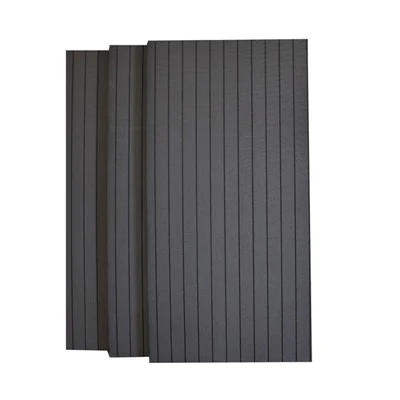
As a responsible supplier, we are committed to providing our customers with all the necessary information to make an informed decision. We also work continuously to explore and develop more sustainable and safer alternatives or solutions to mitigate the negative aspects of XPS.
XPS Sandwich Panels If you are still interested in learning more about XPS or wish to discuss your specific project requirements, I encourage you to reach out to us. Our team of experts is ready to answer your questions and help you find the best insulation solution for your needs. Whether you decide that XPS is the right fit or not, we are here to support you throughout the process.
References
- "The Environmental Impact of Building Insulation Materials," Journal of Sustainable Building Materials
- "Fire Safety of Extruded Polystyrene," Fire Research Institute Report
- "Health Risks Associated with Building Insulation Materials," Occupational Health Journal
Shanxi Rongshengchang Trading Co., Ltd.
As one of the most professional extruded polystyrene suppliers in China, we’re featured by quality products and good price. Please rest assured to buy premium extruded polystyrene for sale here from our factory. Welcome to view our website for more information.
Address: No.1602, 16th Floor, Unit 4, Building 13, Pingyang Jingyuan, No.65 Pingyang Road, Pingyang Road Street, Xiaodian District, Shanxi Province, China
E-mail: postmaster@rongshengchang.com
WebSite: https://www.rongshengchang.com/
