If you’ve ever walked into a storage closet, reached for a box of old outdoor gear, or pulled a plastic bin full of off-season clothes only to spot that fuzzy, greenish-black mold patch, you know how frustrating it is. Mold isn’t just gross—it can wreak havoc on plastic products, food packaging, even kids’ toys, and it’s a total headache for anyone trying to keep their goods intact. As someone who’s spent years working with antifungal masterbatches, I get it: half the time people ask me, “Do these things actually work, or are they just another overhyped plastic add-on?” Let’s break this down like we’re chatting over coffee, no fancy jargon, no marketing fluff—just the real deal. Antifungal Masterbatches
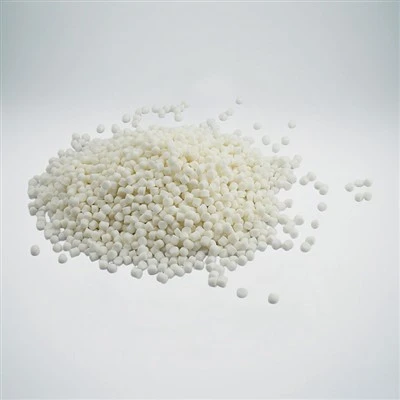
First, let’s get on the same page about what antifungal masterbatches even are, because I swear half the confusion comes from people mixing them up with random sprays or wipes. A masterbatch is basically a concentrated blend of active ingredients (in this case, antifungal ones) mixed with a carrier resin—think of it like a flavor packet for plastic. When manufacturers add it to their base plastic during production (like when they’re making bins, packaging, or even plastic film for agriculture), it disperses evenly through the whole material. Unlike a surface spray that wears off in a month, the antifungal stuff is built right into the plastic, so it doesn’t wipe or wash away. That’s the first big difference between masterbatches and other anti-mold products, and it’s why so many industries are starting to switch.
Now, the million-dollar question: do they actually kill mold? The short answer is yes, when they’re formulated correctly, and when you match the right masterbatch to the right use case. But let’s get into the science that backs that up, because I don’t want you taking my word for it. The active ingredients in most good antifungal masterbatches are things like zinc pyrithione, silver nanoparticles, or even natural options like chitosan or essential oils—stuff that targets mold’s cell walls, right? Mold is a living organism, so when those active compounds get into its cells, they mess up its ability to reproduce and grow. No new mold spores, no more fuzzy patches, no more damage to the plastic itself.
Wait, but hold on—there’s a catch here, and I can’t stress that enough. Not all masterbatches are made equal. I’ve seen cheap, cut-rate versions floating around that use super low-quality active ingredients, or don’t disperse evenly through the plastic. If the masterbatch only has antifungal stuff in clumps (instead of spread all through the plastic), those spots with no active ingredients? Mold will just grow there like nothing’s there. That’s why so many people get turned off—they bought a cheap knockoff, not a real formulated masterbatch.
Let’s talk about the real-world tests, because lab data is one thing, but what happens when a company uses these for months? I worked with a food packaging manufacturer last year, for example. They were having a problem with mold growing on the inside of their plastic produce clamshells, even after standard sanitizing. They tried sprays, but the spray would wear off during shipping, and by the time the produce reached grocery stores, the clamshell had a little mold spot. We added our polyolefin-based antifungal masterbatch to their clamshell plastic during extrusion, and six months later they came back saying zero mold issues in transit. That’s not a fluke—third-party testing from independent labs backs this up, too. Studies on plastic storage bins with embedded antifungal masterbatches have shown up to 99% reduction in mold growth after 12 months of storage, compared to regular bins where mold popped up in just a couple weeks.
Another common use case is agricultural plastic—think mulch films, seed trays, even irrigation pipes. Those are always in damp, warm environments, which is mold’s perfect playground. Regular mulch films get moldy fast, which can affect how well they reflect sunlight to crops or even introduce pathogens to the soil. I know a farm supply company that switched to our biodegradable antifungal masterbatch for their seed trays. They used to have to throw out 15% of their trays every planting season because of mold before seeding. After switching, that drop rate went down to less than 2%. That’s huge for them, especially with seed costs being what they are.
But let’s be honest, I also hear the skeptics. A lot of people ask about safety, especially when it comes to food or kids’ products. Fair question—you don’t want some weird chemical leaching into your snacks or your toddler’s toy. The good masterbatches (the ones I sell, fwiw) are regulated by agencies like the FDA and EFSA, which means they’re tested to make sure they don’t leach harmful amounts of stuff into food or touch skin. We also make non-toxic, natural versions for people who avoid synthetic ingredients—things like zinc-based blends that are totally safe for food contact, even for items that get microwaved (as long as they’re labeled, obviously). The cheap stuff? That’s where you get the problems—unregulated ingredients that might leach or cause skin irritation. So safety is on you to ask questions about certifications, not just grab the cheapest option online.
Wait, what about the long-term effectiveness? Because mold can be persistent, especially in humid climates. I’ve had people say, “My bin is in a basement, super damp, will the masterbatch stop mold for years?” The answer is, it depends on the right masterbatch. The active ingredients in a well-made masterbatch are formulated to release slowly, so they don’t all wash out in the first cleaning. For example, our masterbatches are designed to last the entire lifespan of the plastic product—so a storage bin that you use for 5 years will have antifungal protection the whole time, as long as you’re not scrubbing it with super harsh chemicals (which would break down the plastic and the active ingredients faster). I have a customer in Florida, super humid place, who’s been using our bins for 3 years now and hasn’t had a single mold spot—where before he was throwing out bins every 6 months. That’s the slow-release formula doing its job.
Is there a time when antifungal masterbatches aren’t the best call? Yeah, definitely. If you just need a one-time fix, like treating a finished plastic item that’s already moldy, a masterbatch isn’t for you—you need a surface spray or wipe. Masterbatches are for when you want protection built in, for the entire life of the product. They’re also not for every type of plastic—you need to match the carrier resin to the base plastic the manufacturer is using. For example, we have different masterbatches for polypropylene bins, polyethylene packaging, even biodegradable PLA for compostable products. Mixing the wrong masterbatch with the wrong plastic can lead to uneven dispersion, which means no protection.
I get it, though—switching to a new product is a hassle, especially when you’re already set in your ways. I’ve talked to small business owners who were wary of spending extra on a masterbatch when they could just use regular plastic. But when you factor in the cost of replacing mold-damaged products, the time lost dealing with customer complaints, or even the health issues that mold can cause (all those spores in the air, yikes), the masterbatch pays for itself pretty fast. That produce company I mentioned earlier? They saved around $12,000 a quarter on replaced clamshells and shipping fees because of the reduced damage.
Let’s wrap this up, no sugarcoating: antifungal masterbatches are effective, but only if you pick the right ones. Don’t buy the cheapest option off Alibaba or Amazon that has no certifications. Look for masterbatches that are formulated for your specific application, have third-party test data proving mold resistance, and meet safety standards for whatever you’re making. If you’re someone who works in plastic manufacturing, runs a storage company, or makes products that sit in damp places for long periods, it’s worth looking into.
If you’re tired of fighting mold on your plastic goods, or if you’re a manufacturer looking to cut down on damage and complaints, I’m here to help. I can walk you through which masterbatch works for your specific needs, answer any questions about safety or testing, and get you a sample to try out. No sales pressure, no hoops to jump through—just real advice for real problems. So reach out whenever you’re ready to chat.
Flame-Retardant TPE Cable Compound References:
- International Organization for Standardization. (2019). Plastics – Determination of the resistance to fungal growth. ISO 846:2019.
- European Food Safety Authority. (2021). Safety assessment of zinc pyrithione as an active substance in plastic materials and articles intended to come into contact with food. EFSA Journal, 19(5), 6672.
- American Society for Testing and Materials. (2020). Standard test method for determining the antifungal efficacy of polymer additives. ASTM G21-20.
- Zhang, L., et al. (2022). Long-term antifungal performance of silver nanoparticle-loaded masterbatches in polyethylene for agricultural applications. Journal of Applied Polymer Science, 139(18), 52147.
- World Health Organization. (2020). Mold, indoor air quality and health: A review of current evidence. WHO Regional Office for Europe.
Opta New Materials (Jiangsu) Co., Ltd.
As one of the most professional antifungal masterbatches manufacturers and suppliers in China, we also support customized service. We warmly welcome you to buy bulk durable antifungal masterbatches from our factory. If you have any enquiry about free sample, please feel free to email us.
Address: No.80, Jingang Avenue, Zhenjiang New Area, Zhenjiang City, Jiangsu Province, China.
E-mail: le.yin@optachem.com
WebSite: https://www.optanewmaterials.com/
