Hey everyone, if you’ve ever bought a piece made from knitted fabric – think soft hoodies, chunky scarves, or even your favorite stretchy loungewear – you know how satisfying it feels to wrap up in something that’s actually cozy. But let’s be real: knitted stuff can turn into a total mess if you don’t treat it right. I’ve been working as a knitted fabric supplier for over 10 years now, and I’ve seen it all – from a customer who ruined a brand-new cashmere sweater because she threw it in the dryer, to someone whose ribbed tank top stretched so bad it looked like a tablecloth. Today, I’m breaking down exactly how to care for your knitted fabrics, straight from the person who spends their days handling, testing, and shipping these materials out to brands and everyday folks alike. No fancy jargon, just real tips that actually work. Knitted Fabric
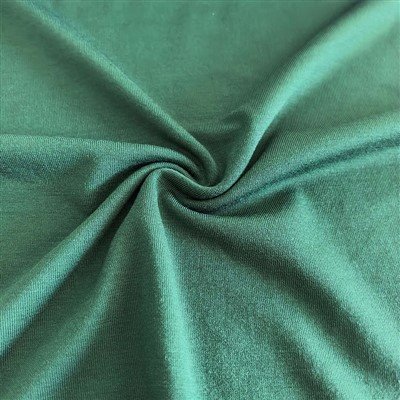
First off, let’s get one thing straight: knitted fabric isn’t like regular woven fabric. Woven stuff (like cotton bed sheets or linen shirts) has threads crossed over each other, so they’re pretty sturdy. Knitted fabric? It’s made with a single looped thread that’s stitched over and over – think of how a chain works, where one loose link breaks the whole thing. That structure is what makes it stretchy and soft, but it also means it’s way more prone to stretching, pilling, or shrinking if you mess up the care. I test every batch of fabric we sell for shrinkage and stretch, and even the highest-quality stuff will warp if you skip the basics.
Let’s start with washing, since that’s the biggest culprit. A lot of people just throw all their clothes in the machine, but knits are so sensitive to agitation. Here’s what I tell all our brand clients when they ask for care labels: stick to cold water, gentle cycle, and mild detergent. Wait, why cold? Hot water is like kryptonite for knits – it makes fibers shrink (especially cotton, wool, and acrylic blends) and breaks down the elasticity that makes your favorite sweater fit right. I once had a customer return a batch of our organic cotton jersey because their retail customers were complaining about shrinkage, and when I checked their care instructions, they said “warm wash only.” Total game-changer when we switched the care tip to cold.
Also, skip the harsh detergents and fabric softeners. Fabric softener might make your towels fluffy, but it coats the knitted fibers and clogs the tiny gaps between loops – that can make pilling way worse over time. Mild detergent (like the ones for baby clothes or sportswear) is gentle enough to get rid of dirt and body oils without stripping the fibers. And never use bleach – even a little bit will discolor colored knits and weaken the threads, leading to holes later.
What about hand washing vs. machine washing? For delicate knits (cashmere, merino wool, fine silk knits), hand washing is always better. It’s less agitation, so less stretching or fiber damage. I always tell people to fill a basin with cold water, add a tiny bit of detergent, swish the fabric around gently, and let it soak for 15-20 minutes – don’t scrub or twist it. When you’re rinsing, squeeze the water out (don’t wring!) and then roll it in a clean towel to absorb excess moisture. That brings me to drying – another part where I see people mess up all the time.
Dryers are the worst for knits. The heat and tumbling action make fibers shrink, stretch, and pill like crazy. Even if your dryer has a “delicate” setting, it’s still too much for most knits. My rule of thumb: air dry only. Here’s how to do it right. After you roll the fabric in a towel to get most of the water out (press gently to squeeze, never twist), lay it flat on a drying rack or a clean, dry towel. Don’t hang it up – hanging weight stretches the neckline and hem, especially for thick knits like sweaters. I’ve had so many customers tell me their hoodies lost their shape after hanging them on a shower rod, and that’s exactly why. If you need to speed up drying, you can turn a fan on it – just keep it out of direct sunlight, because sun fading can happen, especially for lighter colors.
Now, pilling. That’s those little fuzzy balls that form on knit fabrics over time, right? It’s totally normal, but a lot of people think it means the fabric is low-quality. No, pilling is just loose fibers from the knitted loops rubbing together – from friction with your skin, a bag, or other clothes in the wash. How to fix it? Don’t use a razor (that’s a quick way to cut the fabric). Use a fabric shaver – the small, battery-powered ones are cheap and work way better. Run it gently over the pills, and it will cut the fuzz without damaging the knitted structure. We even sell fabric shavers as a little extra for some of our brand clients, because it’s such a simple way to make a knit look good again.
Stretching is another big one. Ribbed knits (like leggings, turtlenecks, or sweater cuffs) are especially prone to this. I get it – when you’re pulling on a tight pair of leggings, it’s easy to yank them up, but that yanking stretches the ribbed loops. To avoid that, when putting on or taking off knits, handle them gently. For sweaters, pull them over your head by the body, not the neckline – that keeps the neck from stretching out. If a knit does stretch out, you can sometimes fix it! Soak it in cold water with a little bit of conditioner (like hair conditioner, which softens fibers) for 10 minutes, then gently reshape it to your desired size and lay it flat to dry. I’ve done this with a favorite pair of leggings that stretched out, and it worked like a charm.
What about storage? A lot of people stuff knits in drawers or fold them and leave them in the back of the closet, but that can cause creases and even moths. Moths love natural fibers (wool, cashmere, silk), so if you’re storing those, make sure they’re clean first – moths are attracted to body oils and dirt. Then, fold them neatly (don’t hang them, remember hanging stretches) and put them in a airtight container or a garment bag with cedar chips or lavender sachets to keep moths away. If you store them on shelves, leave a little space between items so air can circulate – no cramming!
Wait, let’s talk about different types of knits, because care can vary a little. For example, jersey knit (the stuff in t-shirts, hoodies, and leggings) is super versatile – it can usually handle a gentle machine wash, but still skip the dryer. Ribbed knits need more gentle handling, as I mentioned earlier. Wool knits (merino, cashmere) are the most delicate – hand wash only, no machine dry, and even air dry them flat on a towel to avoid shape loss. Blends (cotton-polyester, acrylic-wool) are a bit tougher – they can usually handle cold machine wash, but still skip the dryer. That’s why at our knitted fabric factory, we test each blend we make to tell our clients exactly what care instructions to use – we don’t just guess, because that’s how people end up ruining their products.
I remember a few years back, a small boutique owner came to me because their customers were returning a lot of their knit scarves – they said they shrank after one wash. The boutique had been using the care label “warm wash, tumble dry low,” which was way too hot for the 70% cotton 30% acrylic blend they were using. We adjusted the care instructions to “cold water, air dry,” and within a month, their return rate dropped to zero. That’s the thing about knits: if you get the care right, they’ll last for years, which is way better for the environment than buying new stuff all the time.
A lot of people think taking care of knits is a hassle, but once you get in the habit, it’s so easy. It takes 30 extra minutes to hand wash a sweater and lay it flat to dry, instead of throwing it in the dryer, and that sweater will look just as good 5 years later as it did the day you bought it. And for brands or folks looking for high-quality knitted fabrics that are built to last, that’s exactly what we do here – we focus on durable, easy-to-care-for knits, because we know how important it is that your customers don’t have to deal with ruined clothes.
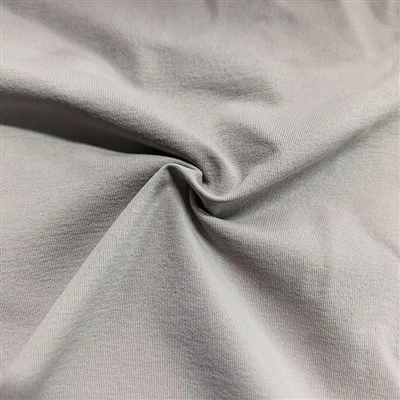
If you’re a brand owner looking for custom knitted fabrics to make your next line, or you’re a retailer needing bulk stock, feel free to reach out to us to talk through your needs and how we can help. We’re all about making care easy, both for you and your end customers.
References
Linen Fabric Textile Institute. (2021). Knit Fabric Care Best Practices. International Journal of Textile Science.
Fashion Institute of Technology. (2022). Care Guidelines for Knit Apparel. Consumer Textile Research Report.
Shaoxing Valu Textile Co., Ltd.
Shaoxing Valu Textile Co., Ltd. is one of the most professional knitted fabric manufacturers and suppliers in China. We have world-leading production equipment and strong manufacturing capabilities. Please feel free to wholesale bulk high quality knitted fabric made in China here from our factory. Also, custom service is available.
Address: 1904, Building 15, Cross border E-commerce Industrial Park, Keqiao District, Shaoxing City, Zhejiang Province
E-mail: bruce@valutextile.com
WebSite: https://www.valutextile.com/
